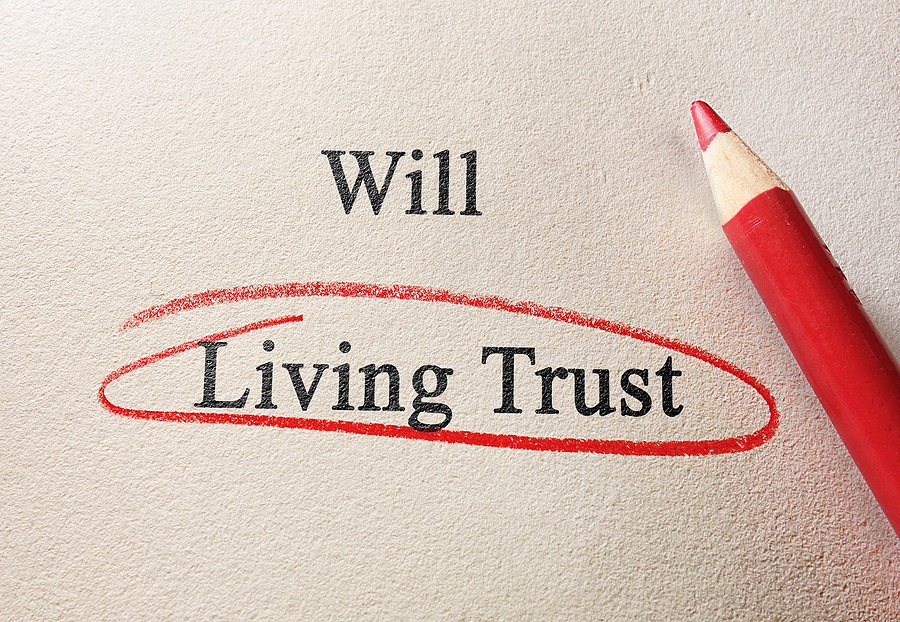
You’ve probably heard of a will, but if you’re looking into ways of protecting your loved ones after you pass away, you might also come across the term ‘trust’.
Wills vs trusts: what’s the difference?
A will is a document that sets out who you want to receive your money and possessions after you pass away. A trust is something you put in place if you want to give someone responsibility for looking after your assets on behalf of someone else.
For example, you might want to leave money or property to someone under the age of 18, or someone who lacks the mental capacity to look after their own financial affairs. In that situation, a trust can help keep the money or assets safe.
The person appointed to manage the trust, known as the trustee, is responsible for making sure the beneficiary benefits from the trust. For example, the money could be used to pay for their education. Read more about the role of the trustee.
There are two kinds of trust: living, or lifetime, trusts and testamentary, or will, trusts. A living trust can come into force while you’re still alive, while a will trust is created through your will and only takes effect after you’ve passed away.
Here are some of the key differences between wills and trusts:
- When they take effect: A will only becomes effective after you pass away, even if you become permanently incapacitated. A living trust can take effect during your lifetime, while a will trust only comes into force after death.
- Probate: Probate is usually needed to administer a will. Trusts do not necessarily need probate to be administered.
- Guardianship: A will can appoint a guardian for children under 18. A trust cannot be used to appoint guardians.
- Control: With a will, the estate administration process is overseen through probate. With a trust, the trustees manage the assets directly without needing a judge to supervise the process in the same way.
- Privacy: Probate is a public process, so details of the estate and the people involved may become part of the public record. A trust is generally private and does not require the same public disclosure.
Both a trust and a will can be contested, but the process of doing so varies between the two.
Which is right for me?
Whether a will or trust is right for you depends on your circumstances.
A will may be suitable if:
- Your wishes are relatively simple
- You only plan to leave things to people who have the mental capacity to manage them
- You need to appoint guardians for children under the age of 18
However, a trust may also be suitable if you:
- Plan to leave assets to someone under the age of 18, or someone who is not able to manage the inheritance themselves
- Do not need to appoint guardians for anyone under the age of 18
- Would like to have something in place to protect your loved ones if you become incapacitated
Will trusts can be useful for couples who own the family home as tenants in common. Putting the property into a trust that comes into effect when the first partner dies can allow the surviving partner to continue living there, without needing each person to leave their share outright to the other in a will.
Will trusts can also help avoid sideways disinheritance. For example, if one person in a couple dies and leaves children from the relationship, but the surviving partner later remarries and does not provide for those children in a new will, there is a risk that the new spouse could inherit everything instead.
A will trust can allow you to leave the house to your children while still giving your spouse the right to continue living there. It is usually sensible to seek legal advice if you are considering setting up a trust for this purpose.
Can I have a will and a trust?
Yes. In fact, it is always important to make a will, whether or not you also have a trust.
If you do not need to make arrangements for the possibility of becoming incapacitated, you could include a will trust as part of your will. This means you can leave money to minors or to people who are not able to manage it themselves, while still having a basic will in place to distribute your assets and appoint guardians for children under 18.
If you would like to make arrangements for incapacity, you can set up a living trust, but it is still strongly advised that you make a will as well. There are two main reasons for this:
- A trust is unlikely to include everything you own
- There are things a will can do that a trust cannot, such as naming guardians for minors
Things to consider
Just like wills, trusts can have inheritance tax implications. If you transfer property into a lifetime trust, you may immediately face an inheritance tax charge of 20% on the value above the £325,000 threshold. Trustees may also have to deal with further tax charges every 10 years, and if they sell assets held in trust, capital gains tax may apply.
Read more about trusts and inheritance tax.
Setting up a trust alongside a will can be a good way to protect the financial security of your loved ones, but it is important to get legal advice first so you understand whether it is the right option for you and what the inheritance tax implications may be.
Ready to write your will?
We can put you in touch with up to 4 legal professionals who can help.